Sushi's journey began over 1,000 years ago as a preservation method called narezushi, where fish was fermented with rice. The modern sushi we know emerged in Edo period Tokyo (1603-1868) as "fast food" from street vendors. Hanaya Yohei revolutionized sushi in the 1820s by serving fresh fish on vinegared rice, creating nigiri sushi.
Types of Sushi
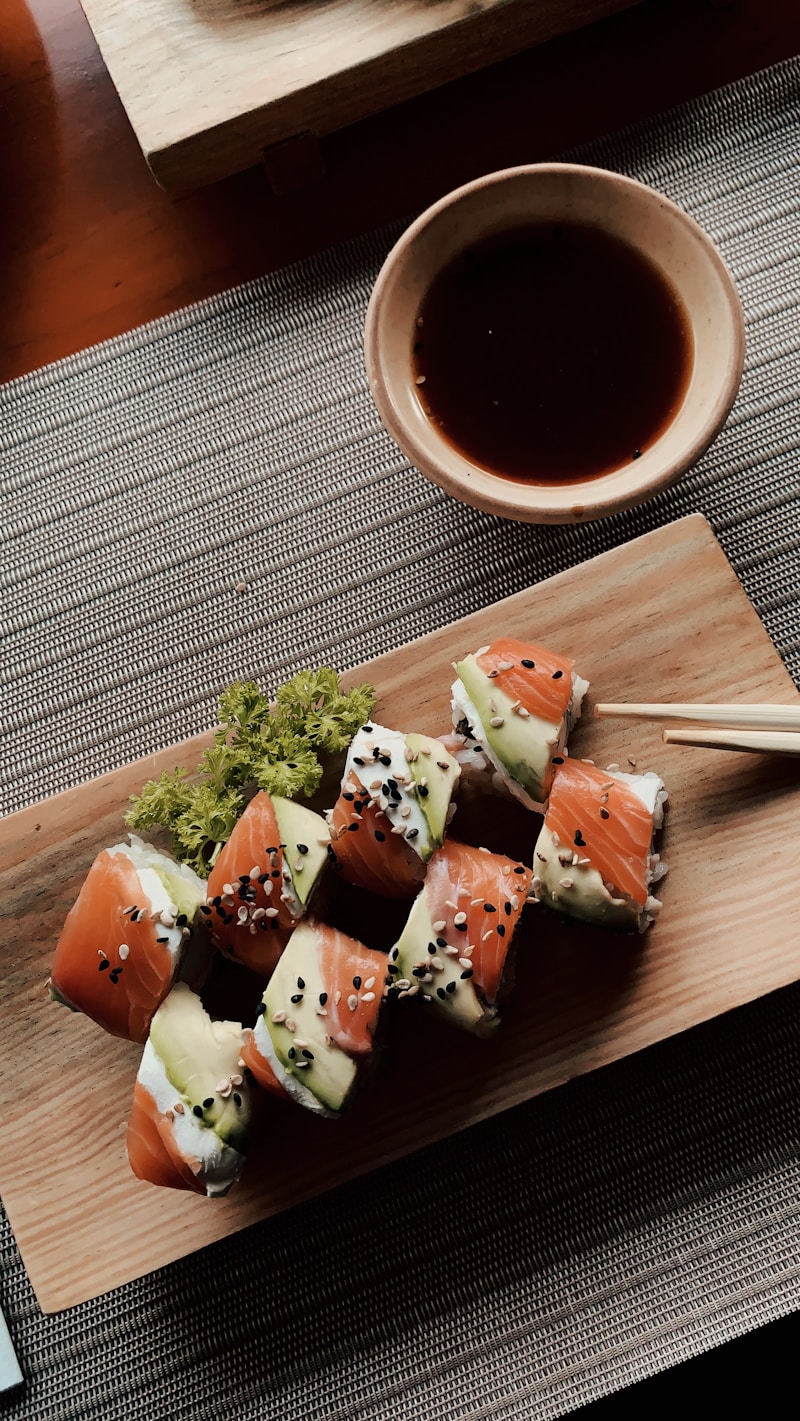
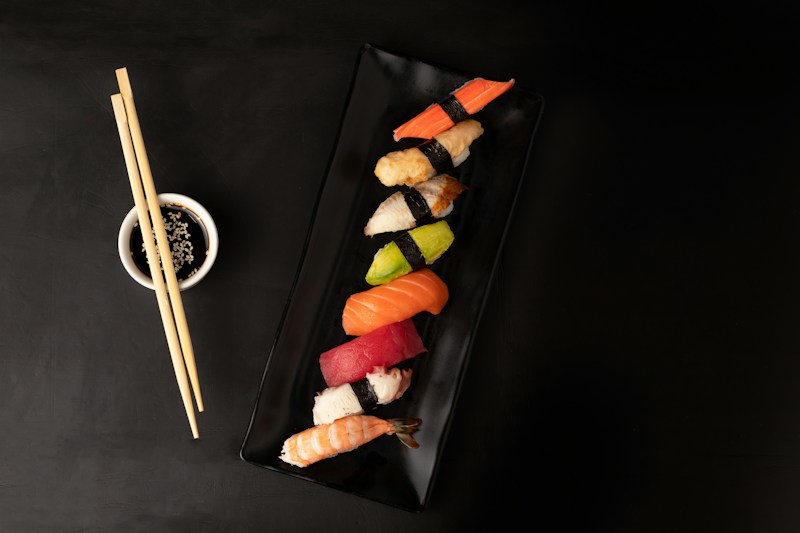
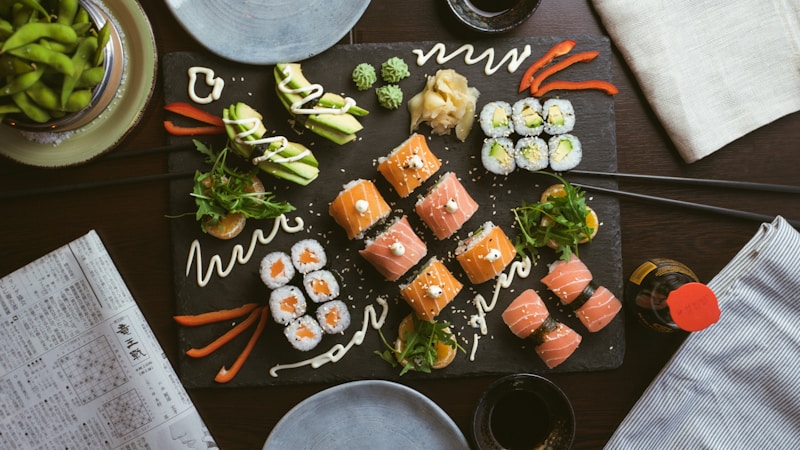
Nigiri features hand-pressed rice topped with fish, while maki are rolled sushi wrapped in nori seaweed. Sashimi is fresh raw fish served without rice. Temaki are hand-rolled cone shapes, and chirashi is scattered sushi served in a bowl. Each style showcases the chef's skill and Japan's reverence for fresh ingredients.
The Omakase Experience
Omakase ("I'll leave it up to you") is the ultimate sushi experience where the chef selects each piece. It's a dialogue between chef and diner, showcasing seasonal ingredients at their peak. Proper etiquette includes eating each piece immediately, using fingers or chopsticks, and dipping fish-side down in soy sauce.
Becoming an Itamae
Sushi chefs (itamae) undergo rigorous training for 10+ years. Apprentices start by observing, then spend years perfecting rice preparation (the soul of sushi), learning knife skills, and understanding fish anatomy. The journey from washing dishes to standing behind the counter requires dedication, precision, and deep respect for the craft.